Alopecia Areata Treatment in Zirakpur – Expert Hair Loss Care
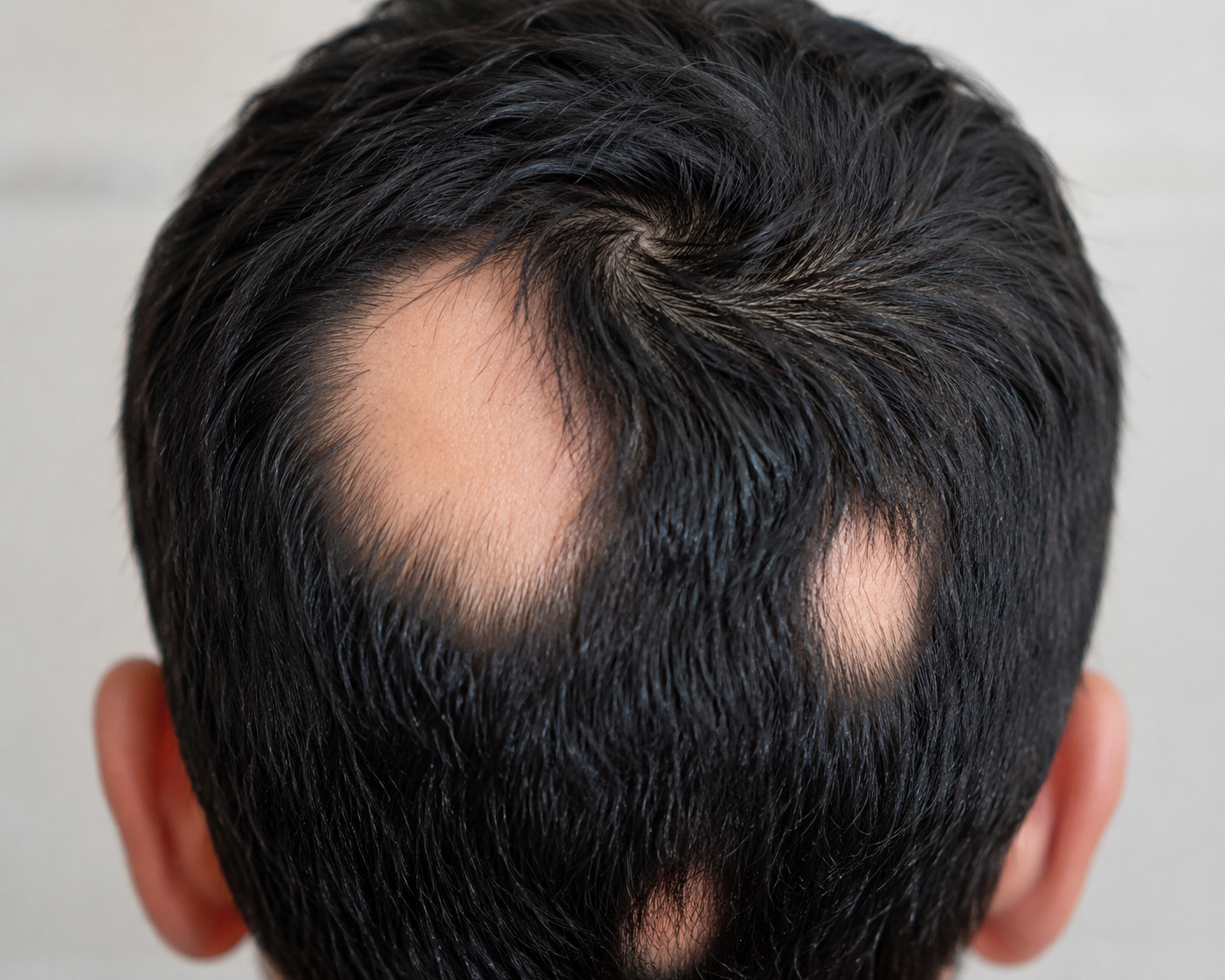
Alopecia areata treatment in Zirakpur is available for people experiencing sudden, patchy hair loss on the scalp, beard, eyebrows, eyelashes, or other areas of the body. Alopecia areata is an autoimmune condition in which the body’s immune system mistakenly attacks hair follicles, resulting in smooth, well-defined patches of hair loss.
If you have noticed one or more round or oval bald patches, consulting an experienced dermatologist in Zirakpur can help identify the cause of hair loss and determine an appropriate treatment plan. At Renovin Skin, Hair and Laser Clinic, Zirakpur, patients can consult Dr. Mohit Dhawan, Consultant Dermatologist, for professional evaluation and personalized management of alopecia areata.
Early evaluation is important because alopecia areata can behave differently from person to person. Some people experience a single small patch that regrows naturally, while others may develop multiple patches or more extensive hair loss.
What Is Alopecia Areata?
Alopecia areata is an autoimmune form of hair loss. Normally, the immune system protects the body from infections and other harmful substances. In alopecia areata, immune activity affects the hair follicles and can temporarily interrupt normal hair growth.
The condition commonly produces smooth, round or oval patches of hair loss. It can occur at any age and may affect people regardless of gender.
Common Signs of Alopecia Areata
- Sudden appearance of one or more bald patches
- Smooth skin in areas of hair loss
- Patchy scalp hair loss
- Loss of beard hair in some individuals
- Eyebrow or eyelash hair loss in some cases
- Changes in the appearance of nails in some people
- New patches developing over time
Alopecia areata is different from common pattern hair loss. A dermatologist can examine the scalp and hair pattern to distinguish alopecia areata from other causes of hair loss.
What Causes Alopecia Areata?
The exact cause of alopecia areata is not completely understood. It involves an abnormal immune response directed toward hair follicles. Genetic and environmental factors may contribute to a person’s susceptibility.
Stress is sometimes reported around the time hair loss develops, but it is not accurate to assume that stress is always the cause. Alopecia areata is a medical condition and should be properly evaluated rather than attributed to a single factor.
Alopecia Areata Treatment in Zirakpur
There is no single treatment that is suitable for every person with alopecia areata. The choice of treatment depends on factors such as the patient’s age, extent of hair loss, duration of the condition, affected areas, previous treatment, and whether the condition is progressing.
A dermatologist in Zirakpur can assess your hair loss and recommend treatment according to your individual condition.
1. Corticosteroid Treatment
Corticosteroids may be used in selected cases of alopecia areata to reduce the immune activity affecting hair follicles. Depending on the patient’s condition, a dermatologist may consider topical or other forms of corticosteroid treatment.
For limited patches, dermatologists may sometimes use carefully administered corticosteroid injections. The appropriate method, dosage, frequency, and duration should be determined by a qualified medical professional.
2. Topical Treatments
Certain prescription topical treatments may be recommended depending on the severity and location of alopecia areata. These treatments aim to influence the inflammatory or immune response around affected hair follicles.
Do not apply prescription steroid or hair-growth medication without medical advice, as inappropriate use can cause unwanted effects and may delay correct diagnosis.
3. Advanced Medical Treatments
For more extensive alopecia areata, dermatologists may consider advanced systemic treatments when appropriate. Some newer therapies target specific immune pathways involved in alopecia areata.
Whether an advanced treatment is suitable depends on factors such as the extent and duration of hair loss, medical history, age, previous treatments, and the potential benefits and risks.
4. Treatment for Eyebrow and Eyelash Hair Loss
Alopecia areata can sometimes affect eyebrows and eyelashes. Because these areas are sensitive and close to the eyes, treatment should be planned carefully by a dermatologist.
5. Combination Treatment
Some patients may benefit from more than one treatment approach. A dermatologist may develop a combination plan based on the pattern and severity of hair loss.
Regular follow-up is useful because alopecia areata can change over time. Treatment can be adjusted according to the response and development of new patches.
Why Early Diagnosis of Alopecia Areata Matters
Sudden hair loss should not always be assumed to be alopecia areata. Hair loss can also occur because of nutritional problems, thyroid disorders, fungal infections, autoimmune conditions, medications, hormonal changes, stress-related shedding, and other medical causes.
A proper dermatological examination helps determine whether the hair loss is consistent with alopecia areata or another condition.
How Is Alopecia Areata Diagnosed?
Diagnosis is generally based on the medical history and examination of the scalp and affected skin. A dermatologist may use magnification or dermoscopy to examine the hair and scalp more closely.
In selected cases, additional tests may be recommended when the doctor suspects another medical condition or wants to investigate associated factors.
Alopecia Areata vs Other Types of Hair Loss
Not all hair loss is alopecia areata. Recognizing the differences can help you seek appropriate medical advice.
Alopecia Areata
Usually produces clearly defined, smooth patches of hair loss and may develop suddenly.
Pattern Hair Loss
Typically causes gradual thinning in characteristic areas of the scalp rather than sudden smooth bald patches.
Telogen Effluvium
Often causes more generalized shedding rather than clearly defined bald patches and can occur after certain illnesses, nutritional issues, significant stress, or other triggers.
Scalp Infections
Some fungal or other scalp infections can cause hair loss and may be accompanied by scaling, inflammation, itching, or broken hairs. Medical examination is important because treatment differs from alopecia areata.
Can Alopecia Areata Hair Grow Back?
Yes, hair can regrow in alopecia areata because the hair follicles are generally not permanently destroyed in non-scarring alopecia areata. However, the course can be unpredictable. Some people experience spontaneous regrowth, while others may have recurrent or more extensive episodes.
Treatment aims to control the condition and encourage or maintain hair regrowth when appropriate. Your dermatologist can discuss realistic expectations based on the extent and duration of your hair loss.
Does Alopecia Areata Cause Permanent Hair Loss?
Many people with alopecia areata experience hair regrowth, but the condition can recur. In more extensive forms, hair loss may be persistent or recurrent and can affect the scalp and other body areas.
This is why regular dermatological follow-up can be valuable, especially when hair loss is extensive, rapidly progressing, or repeatedly returning.
Who Should Consult a Dermatologist in Zirakpur?
You should consider consulting a dermatologist in Zirakpur if you notice:
- A sudden bald patch on the scalp
- Multiple new bald patches
- Sudden beard hair loss
- Eyebrow or eyelash hair loss
- Rapidly increasing hair loss
- Scalp changes associated with hair loss
- Recurring episodes of patchy hair loss
Getting an early professional evaluation can help identify the condition and prevent confusion with other types of hair loss.
Why Choose Renovin Skin, Hair & Laser Clinic for Alopecia Areata Treatment?
Renovin Skin, Hair & Laser Clinic, Zirakpur, provides dermatological care for a range of skin, hair, and scalp conditions. Patients experiencing patchy hair loss can receive an individualized evaluation to understand the possible cause and available treatment options.
Dr. Mohit Dhawan, Consultant Dermatologist, can assess your scalp and hair-loss pattern and recommend a treatment approach based on your individual needs.
Our Approach to Hair Loss Care
- Detailed scalp and hair assessment
- Identification of the type and pattern of hair loss
- Individualized treatment planning
- Medical management where appropriate
- Regular monitoring of treatment response
- Guidance regarding long-term hair and scalp care
Frequently Asked Questions About Alopecia Areata
What is alopecia areata?
Alopecia areata is an autoimmune condition that causes hair loss when the immune system mistakenly targets hair follicles. It commonly appears as smooth, round or oval patches of hair loss.
What is the best treatment for alopecia areata?
The most appropriate treatment depends on the individual. For limited disease, dermatologists may consider local treatments such as corticosteroids. More extensive or persistent disease may require other medical treatments, including advanced systemic options in suitable patients. A dermatologist should determine the appropriate treatment after assessment.
Is alopecia areata curable?
Alopecia areata can often be managed, and hair may regrow, but the condition can recur. Treatment focuses on controlling disease activity and supporting hair regrowth where appropriate.
Can alopecia areata cause complete baldness?
In some people, alopecia areata can progress from a few patches to extensive scalp hair loss. A more extensive form can involve loss of most or all scalp hair. Some cases can also affect body hair.
Can alopecia areata affect the beard?
Yes. Alopecia areata can affect beard hair and may produce one or more smooth bald patches in the beard area.
Can alopecia areata affect eyebrows and eyelashes?
Yes. Although scalp hair is commonly affected, alopecia areata can also involve eyebrows and eyelashes. Because these areas are sensitive, treatment should be guided by a dermatologist.
Does stress cause alopecia areata?
Stress may be reported around the time alopecia areata develops or flares in some people, but it is not considered the sole cause. Alopecia areata involves an abnormal immune response and should be medically evaluated.
Can children develop alopecia areata?
Yes. Alopecia areata can occur in children as well as adults. Children with sudden or patchy hair loss should be evaluated by an appropriate healthcare professional.
Does alopecia areata damage hair follicles permanently?
In typical non-scarring alopecia areata, the hair follicles are generally preserved, which means hair can potentially regrow. However, the pattern and duration of the condition vary between individuals.
How long does it take for hair to grow back after alopecia areata?
Hair regrowth varies considerably. Some people may notice regrowth relatively quickly, while others may require longer periods. The timeline depends on the extent of the condition, disease activity, and individual response to treatment.
Can alopecia areata come back after treatment?
Yes. Recurrence is possible even after successful hair regrowth. Follow-up with a dermatologist can help monitor for new patches or changes in existing areas.
Should I use hair oils for alopecia areata?
Hair oils may help condition the hair and scalp but should not be considered a treatment for the autoimmune process underlying alopecia areata. Medical treatment should be based on professional diagnosis.
Is alopecia areata contagious?
No. Alopecia areata is not a contagious infection and cannot be passed from one person to another through normal contact.
When should I see a dermatologist for patchy hair loss?
You should consider a dermatology consultation when you notice sudden, clearly defined patches of hair loss, rapidly increasing hair loss, beard or eyebrow hair loss, or recurring bald patches. Early assessment can help establish the correct diagnosis.
Where can I get alopecia areata treatment in Zirakpur?
Renovin Skin, Hair and Laser Clinic in Zirakpur provides dermatological consultation for hair and scalp conditions, including alopecia areata. You can consult Dr. Mohit Dhawan, Consultant Dermatologist, for an individualized assessment and treatment plan.
Book an Alopecia Areata Consultation in Zirakpur
Sudden or patchy hair loss can be concerning, but the right diagnosis is the first step toward appropriate management. Alopecia areata can vary significantly between individuals, so treatment should be personalized rather than based on home remedies or unverified hair-loss products.
If you are looking for alopecia areata treatment in Zirakpur, consult a qualified dermatologist for a professional evaluation.
Renovin Skin, Hair & Laser Clinic
Dr. Mohit Dhawan – More than 20+ Years Experience
Location: Zirakpur
Phone: +91 98769 31601
Looking for the best skin doctor in Zirakpur for hair loss, alopecia areata, or other scalp concerns? Schedule a consultation at Renovin Skin, Hair & Laser Clinic to discuss your condition and suitable treatment options.