Teenager Acne: When Should You See a Dermatologist? – Renovin Skin, Hair and Laser Clinic
Teenager Acne: When Should You See a Dermatologist? – Renovin Skin, Hair and Laser Clinic
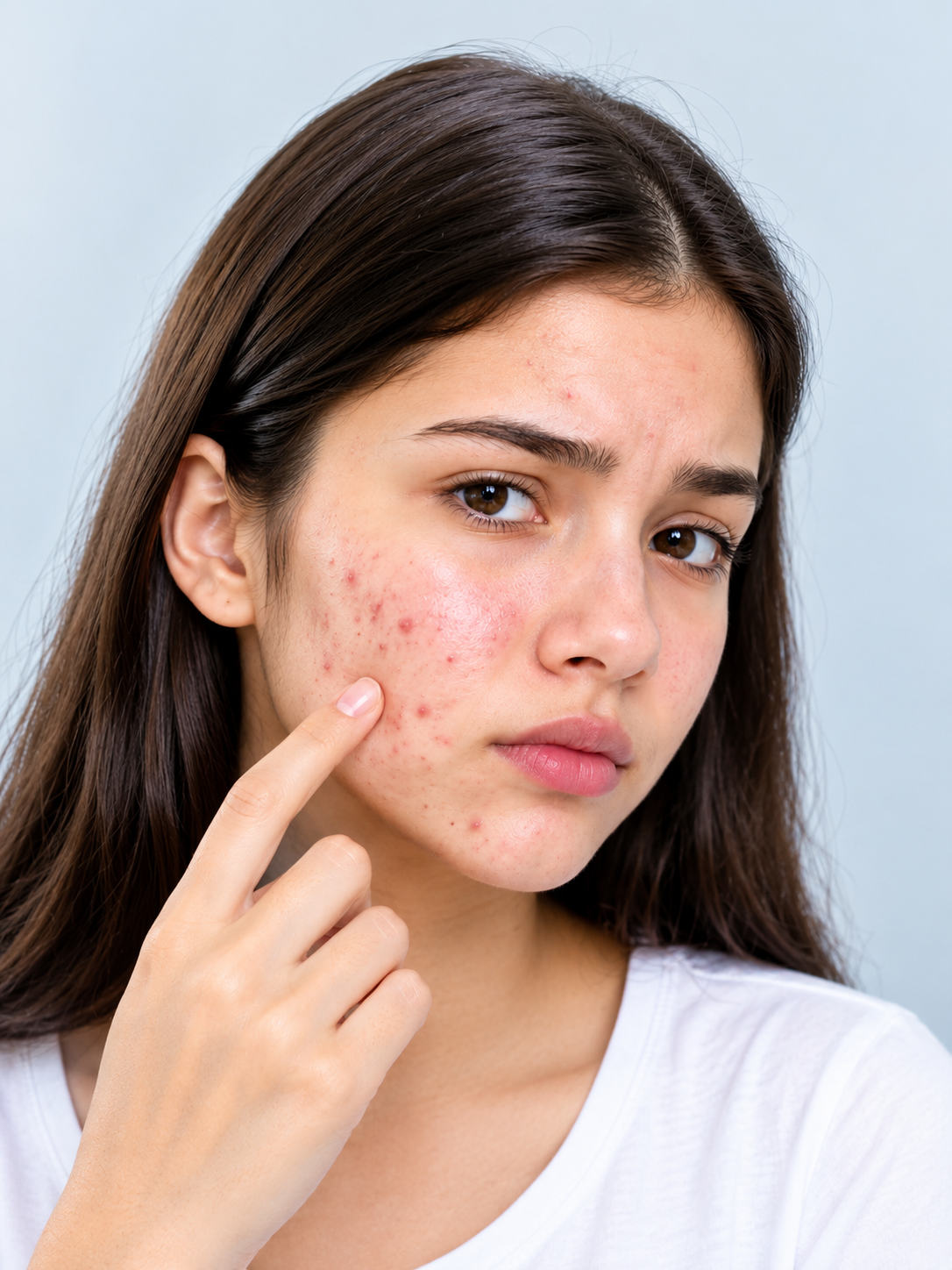
Teenage acne is one of the most common skin concerns during adolescence. A few pimples may seem harmless at first, but persistent breakouts can sometimes become painful, leave dark marks, cause acne scars and affect a teenager’s confidence.
Imagine waking up before school, looking in the mirror and noticing another red pimple. You try a new face wash, then a home remedy, and perhaps squeeze the next breakout hoping it will disappear faster. Instead, the skin becomes irritated and another mark appears.
This is a common experience for teenagers, but acne does not have to be something they simply learn to live with.
Understanding why teenage acne occurs, how it develops and when to consult a dermatologist can help prevent unnecessary skin damage and support better long-term skin health.
At Renovin Skin, Hair and Laser Clinic, Zirakpur, Dr. Mohit Dhawan,best dermatologist in zirakpur provides personalized dermatological care for acne, acne marks, acne scars and other skin concerns.
What Is Teenage Acne?
Acne is a skin condition that develops when hair follicles become blocked and inflamed. It commonly appears on the face, but teenagers can also develop acne on the chest, shoulders, upper arms and back.
Acne can appear as:
- Blackheads
- Whiteheads
- Red pimples
- Pus-filled pimples
- Deep, painful bumps
- Acne marks
- Acne scars
Not every pimple represents the same type of acne. This is why the right treatment depends on the individual’s skin condition rather than simply using the same product that worked for someone else.
Why Does Acne Occur During Teenage Years?
The teenage years bring significant hormonal changes. During puberty, hormones called androgens become more active.
These hormones can stimulate the sebaceous glands, which produce sebum, the natural oil of the skin.
Sebum is important for maintaining healthy skin, but increased oil production can contribute to clogged follicles in acne-prone skin.
Hormonal changes → increased oil production → buildup of skin cells
→ blocked follicle → inflammation → acne
This is one of the main reasons acne frequently begins around puberty. However, hormones are only one part of the picture.
The Science Behind Teenage Acne
1. Increased Oil Production
During puberty, sebaceous glands may become more active and produce more oil. When excess oil combines with dead skin cells inside a hair follicle, the follicle can become blocked.
2. Blocked Hair Follicles
The skin constantly sheds old cells. In acne-prone skin, some of these cells may accumulate abnormally within the follicle and mix with sebum.
The resulting blockage can form a come done, commonly known as a blackhead or whitehead.
3. Microorganisms and Inflammation
The skin naturally contains microorganisms, including Cutibacterium acnes. When a follicle becomes blocked, changes in the follicular environment can contribute to inflammation.
This inflammatory response can turn a small blockage into a red, swollen or painful acne lesion.
4. Individual Hormonal Sensitivity
Not every teenager develops the same degree of acne. Some teenagers have sebaceous glands that are more sensitive to hormonal changes. Genetics can also influence how strongly an individual’s skin responds during puberty.
Why Do Some Teenagers Get Severe Acne?
Several factors can influence the severity of teenage acne.
Genetics
If acne has affected parents or close family members, a teenager may have a greater tendency toward acne.
Oily Skin
Teenagers with naturally oilier skin may be more susceptible to clogged pores and breakouts.
Hormonal Changes
Puberty is a major trigger because of increased hormonal activity.
Skin and Hair Products
Heavy or unsuitable products can sometimes contribute to blocked pores, particularly around the forehead and hairline.
Stress
School examinations, academic pressure, lack of sleep and emotional stress may coincide with acne flare-ups in some teenagers.
Picking and Squeezing
Trying to physically remove pimples can increase irritation and inflammation and may contribute to persistent marks or scars.
Is Teenage Acne Normal?
Teenage acne is common, but that does not mean every type of acne should simply be ignored.
Mild occasional pimples may not require medical treatment. However, persistent, painful, widespread or scarring acne deserves professional attention.
The important question is not simply, “Is acne normal?”
The better question is:
“Is this acne severe enough, persistent enough or damaging enough to require professional treatment?”
When Should a Teenager See a Dermatologist?
1. Acne Is Persistent
If acne continues for weeks or months despite a consistent basic skincare routine, it may be time for professional evaluation.
A dermatologist can determine the type and severity of acne and recommend an appropriate treatment strategy.
2. Pimples Are Large or Painful
Deep, painful acne lesions can be more likely to cause long-lasting marks and scars. Instead of repeatedly squeezing these lesions, consider consulting a dermatologist.
3. Acne Is Leaving Dark Marks
After an acne lesion heals, some teenagers develop brown, red or darker marks. These can take time to fade and may become more noticeable when new acne continues to develop.
4. You Notice Acne Scars
Acne scars can appear as depressions, pits or changes in skin texture. If scars are beginning to develop, delaying acne treatment may allow additional lesions to create further scarring.
5. Acne Is Present on the Back or Chest
Teenage acne can affect more than the face. If there are frequent breakouts on the back, shoulders or chest, a dermatologist can determine whether a broader treatment approach is required.
6. Acne Is Affecting Confidence
A teenager may avoid photographs, social events or meeting people because of acne. They may constantly worry about how their skin looks or feel uncomfortable at school.
These concerns are important. Treating acne is not only about improving the appearance of the skin. It can also help a teenager feel more comfortable and confident.
7. Over-the-Counter Products Aren’t Working
Trying product after product can sometimes make acne-prone skin irritated and sensitive.
If a simple, consistent skincare routine isn’t producing improvement,
professional advice can help prevent unnecessary experimentation.
How Is Acne Treated?
There is no single acne treatment suitable for every teenager.
Treatment depends on the individual’s skin condition.
- Type of acne
- Severity
- Skin type
- Location of acne
- Presence of acne marks
- Presence of scarring
- Previous treatments
- Individual medical considerations
Depending on the situation, a dermatologist may recommend topical
treatments, prescription medicines, skincare changes or procedures
when appropriate.
Retinoid-Based Treatments
Retinoid treatments can help regulate the behavior of skin cells inside
hair follicles and reduce the formation of clogged pores.
Benzoyl Peroxide
Benzoyl peroxide is commonly used in acne treatment and can help reduce
acne-associated microorganisms and inflammation.
Salicylic Acid
Salicylic acid can help remove excess oil and dead skin cells and is
commonly found in products designed for acne-prone skin.
Azelaic Acid
Azelaic acid may be useful for acne and can also help with some of the
pigmentation that remains after acne lesions heal.
Prescription Treatment
Moderate to severe acne may require prescription treatment. The
appropriate medicine depends on the teenager’s individual situation.
Prescription acne medicines should be used under appropriate medical
supervision.
Can Teenage Acne Be Prevented?
There is no guaranteed way to prevent every acne breakout because
hormones and genetics play an important role.
However, teenagers can reduce unnecessary irritation and support
healthier skin by following a simple routine.
Cleanse Gently
Use a gentle cleanser rather than aggressively scrubbing the face.
Avoid Picking
Hands and fingernails can increase irritation and potentially worsen
inflammation.
Choose Suitable Skincare
Choose products appropriate for acne-prone skin and avoid unnecessarily
heavy or greasy products.
Use Sunscreen
Sun protection is important for overall skin health and can be
particularly useful when acne marks are present.
Don’t Keep Changing Products
Give an appropriate skincare routine enough time to work rather than
changing products every few days.
Does Diet Cause Teenage Acne?
Acne should not be blamed on one particular food. Teenage acne is
influenced by biological factors such as hormones, oil production,
follicular blockage, inflammation and individual susceptibility.
A balanced diet and healthy lifestyle are important for general health,
but teenagers should not feel guilty about every pimple they develop
because of something they ate.
Why Should You Avoid Popping Pimples?
A pimple may look like something that can simply be squeezed away.
Unfortunately, the skin doesn’t always work that way.
Squeezing can increase inflammation and cause additional trauma to the
surrounding skin. Repeated picking can also contribute to prolonged
marks and scarring.
If a pimple is painful or persistent, professional acne treatment is
generally a better approach than repeatedly manipulating it.
Teenage Acne and Acne Scars: Why Early Treatment Matters
One of the biggest reasons to seek professional help for persistent
acne is the possibility of scarring.
A temporary pimple can disappear. A dark mark may eventually fade. But a true acne scar can alter the texture of the skin for a much longer period.
This is why early acne management is often more valuable than waiting until severe scarring has developed.
The first goal is to control active acne. Once breakouts are under better control, a dermatologist can assess remaining marks or scars and determine whether additional treatment is appropriate.
Acne Treatment in Zirakpur
For teenagers and parents searching for acne treatment in Zirakpur, choosing the right dermatology clinic is an important step.
At Renovin Skin, Hair and Laser Clinic, Zirakpur,
Dr. Mohit Dhawan evaluates acne according to its type, severity and individual skin characteristics.
The focus is not simply on making a pimple disappear temporarily. The broader goal is to control active acne, reduce recurring breakouts, minimize the risk of marks and scars, and develop a skincare approach that the teenager can realistically follow.
Renovin Skin, Hair and Laser Clinic provides dermatological care for acne, acne marks, acne scars and other skin concerns.
Frequently Asked Questions About Teenage Acne
Is teenage acne normal?
Yes, acne is very common during adolescence because of hormonal changes. However, severe, painful or scarring acne should not simply be ignored.
What is the main cause of teenage acne?
There is no single cause. Hormonal changes, increased oil production, blocked hair follicles, inflammation, genetics and individual skin characteristics can all contribute to teenage acne.
Does dirty skin cause pimples?
No. Acne is not simply caused by dirt. Excessive washing or harsh
scrubbing can irritate acne-prone skin.
Should teenagers pop pimples?
It is better to avoid squeezing or picking acne because this can increase irritation and may contribute to persistent marks or scars.
Can teenage acne leave scars?
Yes. More severe inflammatory acne can cause permanent changes in skin texture. Early and appropriate acne treatment may help reduce the risk of additional scarring.
How long does acne treatment take?
Acne treatment generally requires consistency and patience. Improvement takes time and varies according to acne severity and the treatment being used.
When should a teenager see a dermatologist?
A teenager should consider seeing a dermatologist if acne is persistent, painful, spreading, leaving dark marks, causing scars, or affecting confidence and daily life.
Final Thoughts
Teenage acne may be common, but teenagers shouldn’t have to feel embarrassed or helpless about their skin.
A pimple is the visible part of a much more complicated process involving hormones, oil production, blocked follicles and inflammation.
Understanding that process helps explain why simply washing the face
more often or trying random home remedies may not solve persistent acne.
If acne is painful, persistent, spreading, leaving marks, causing scars or affecting confidence, it may be time to consult a dermatologist.
For professional acne treatment in Zirakpur,Renovin Skin, Hair and Laser Clinic, led by Dr. Mohit Dhawan, provides personalized dermatological care based on the individual’s skin condition.
If you are searching for the best dermatologist in Zirakpur for teenage acne, a professional skin evaluation can be the first step toward healthier, clearer and more confident skin.
Renovin Skin, Hair and Laser Clinic, Zirakpur
Dr. Mohit Dhawan – Dermatologist
Follow Us On Instagram

![✨ Dull Skin? Give Your Skin a Refresh. ✨
A Carbon Facial is an in-clinic treatment that can be considered to refresh the appearance of the skin and support a smoother, fresher-looking complexion. 🖤✨
It may be suitable for concerns such as excess oil, congestion and overall dull-looking skin, but the right approach depends on your individual skin type and concerns.
Every skin is different — so a professional skin assessment is always the first step before deciding if a Carbon Facial is right for you. 🤍
✨ Glow • Refresh • Revive
📍 Renovin Skin & Cosmetology Clinic, Zirakpur
[Best Skin Clinic In Zirakpur] [Dermatologist In Zirakpur] [Skin Specialist In Zirakpur] [Skin Treatment In Zirakpur] [Acne Treatment In Zirakpur] [Pigmentation Treatment In Zirakpur] [Laser Treatment In Zirakpur] [Cosmetology Clinic In Zirakpur] [Aesthetic Dermatology In Zirakpur] [Skin Care Clinic In Zirakpur]
#Renovin #SkinClinicZirakpur #DermatologistZirakpur #SkinTreatment #Zirakpur*](https://renovinskincare.com/wp-content/plugins/instagram-feed/img/placeholder.png)